

Sleep Guide
A practical guide to better sleep, combining healthy bedtime habits, gentle acupressure, and simple relaxation techniques, with illustrations and video demonstrations.

Build healthy sleep habits
- Avoid using phones, computers, and other electronic screens for at least 1 hour before bedtime.
- Keep your bedroom dark, quiet, and comfortable for sleeping.
- Keep your bedroom comfortably cool throughout the night.
- Try soaking your feet in warm water with Epsom salt before bedtime to help you relax.
- Try listening to calming music or binaural beats before bedtime to help you relax.
- If you're considering magnesium supplements to support sleep, consult our registered dietitian, Sydney Sloan, to determine whether they are appropriate for you and which type may be best.
Magnesium consultation: Schedule a 30-minute virtual consultation with our registered dietitian, Sydney Sloan, to discuss whether magnesium supplementation is right for you.
Book a virtual consultationAcupressure techniques to promote relaxation and sleep
Gently massage each acupressure point for 15–30 seconds. For points located on either side of the head or body, repeat on both sides. Apply comfortable pressure without causing pain. You can use the points in any order and choose only those you find helpful.
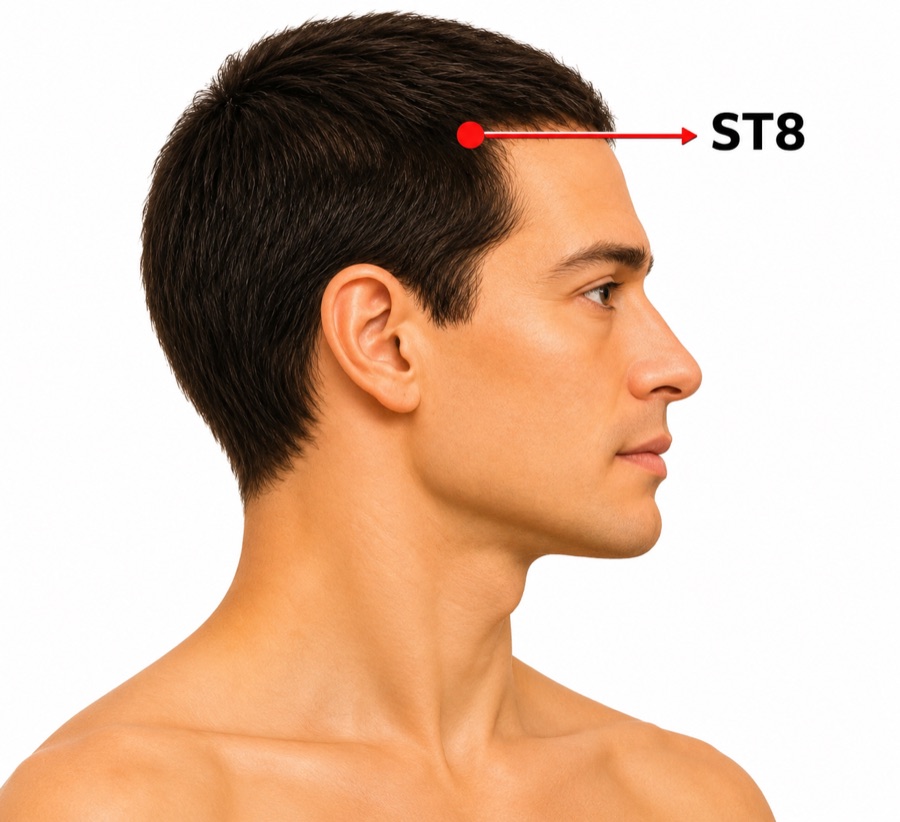
ST8 · Temple and hairline
Gently massage the marked point near the temple and hairline on both sides of your head.
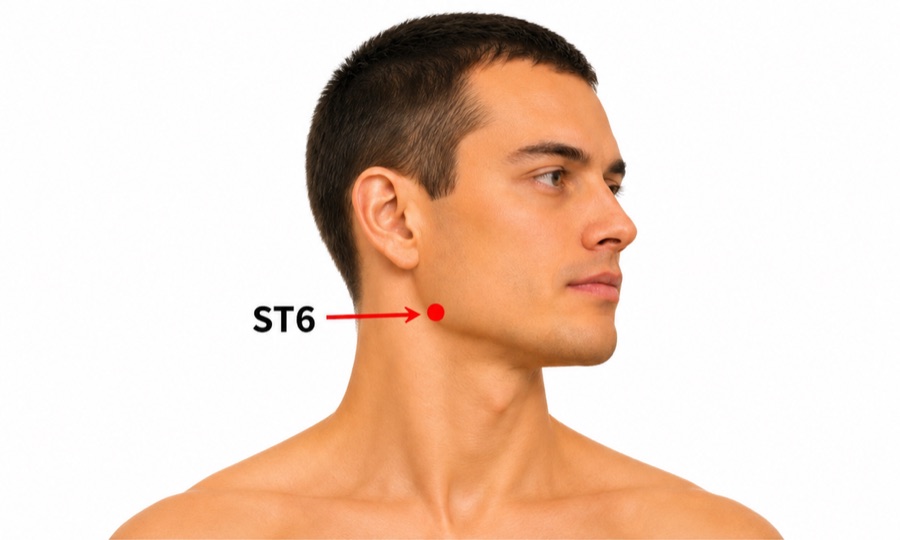
ST6 · Jaw area
Gently massage the marked point on both sides.
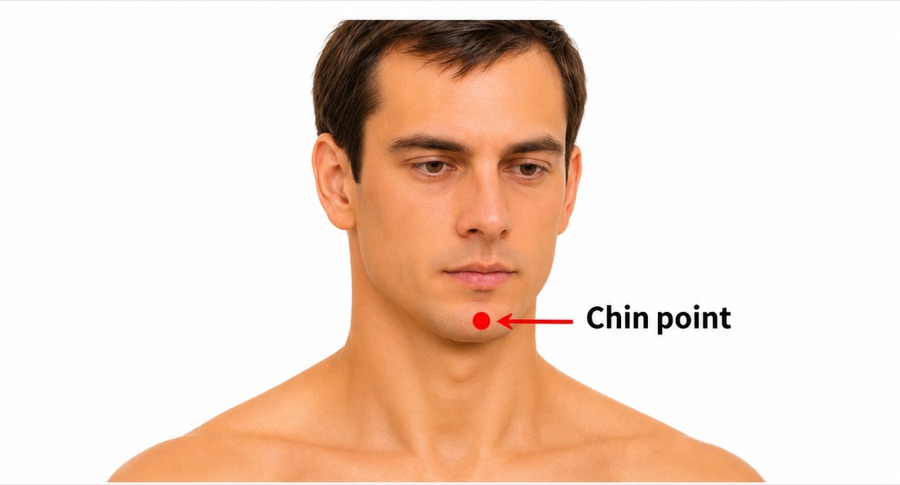
Chin point
Gently massage the marked point in the center of your chin, just below your lower lip.
Finish with gentle massage and tapping
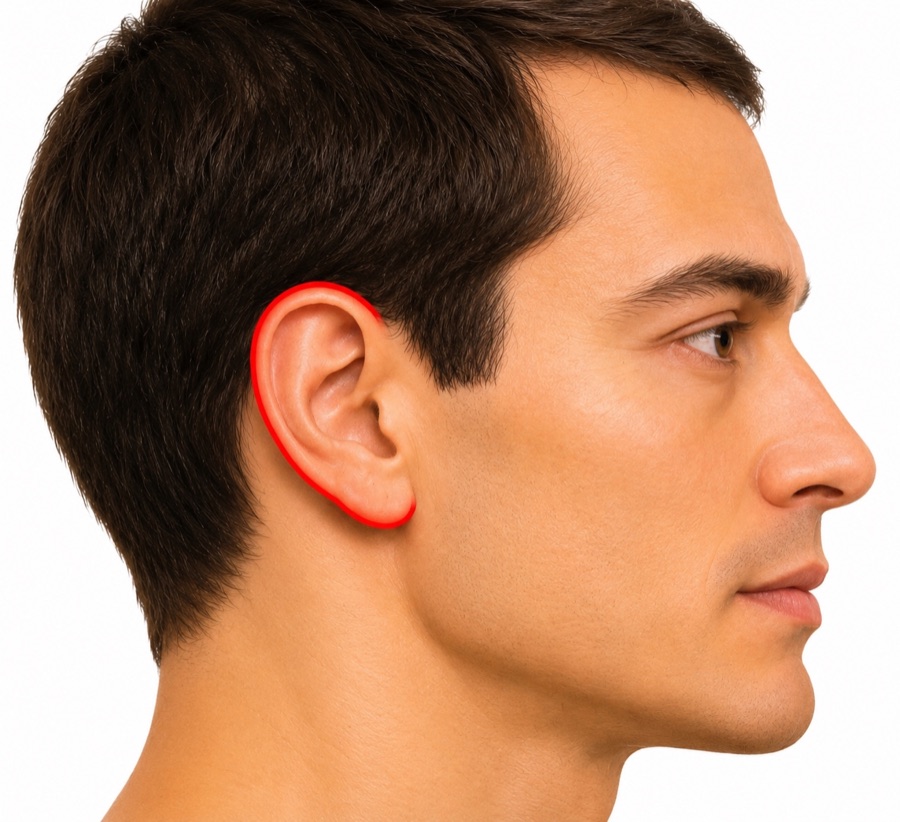
Massage your earlobes
Gently massage both earlobes using small circular movements.
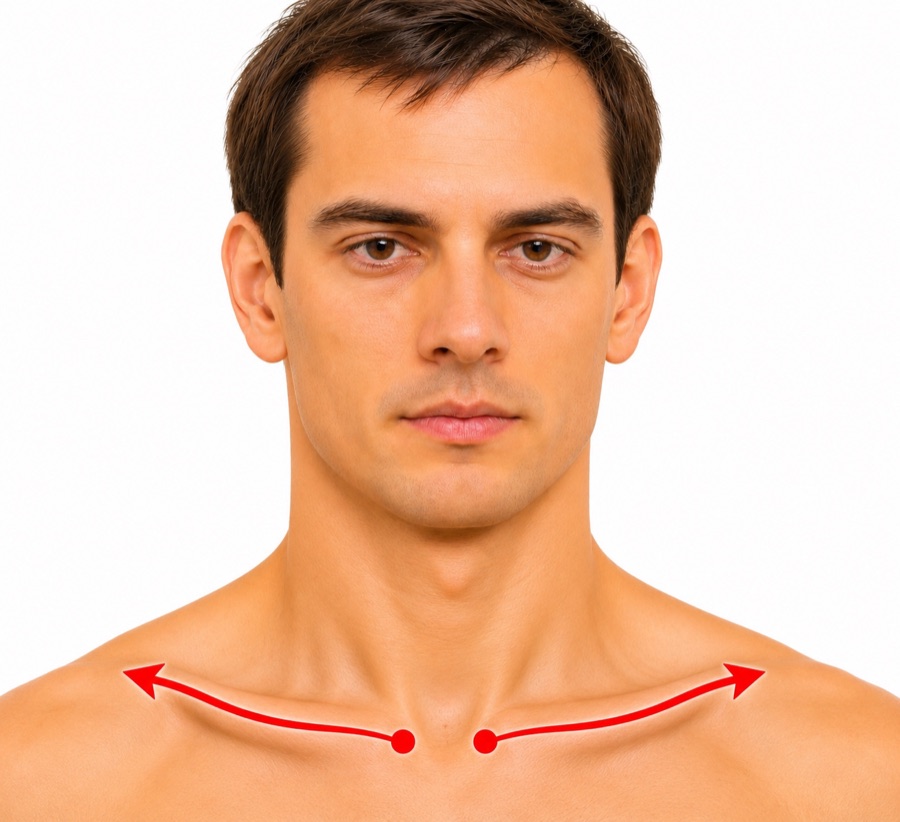
Tap along the collarbones
Gently tap along your collarbones, starting at the center of your chest and moving outward toward each shoulder.
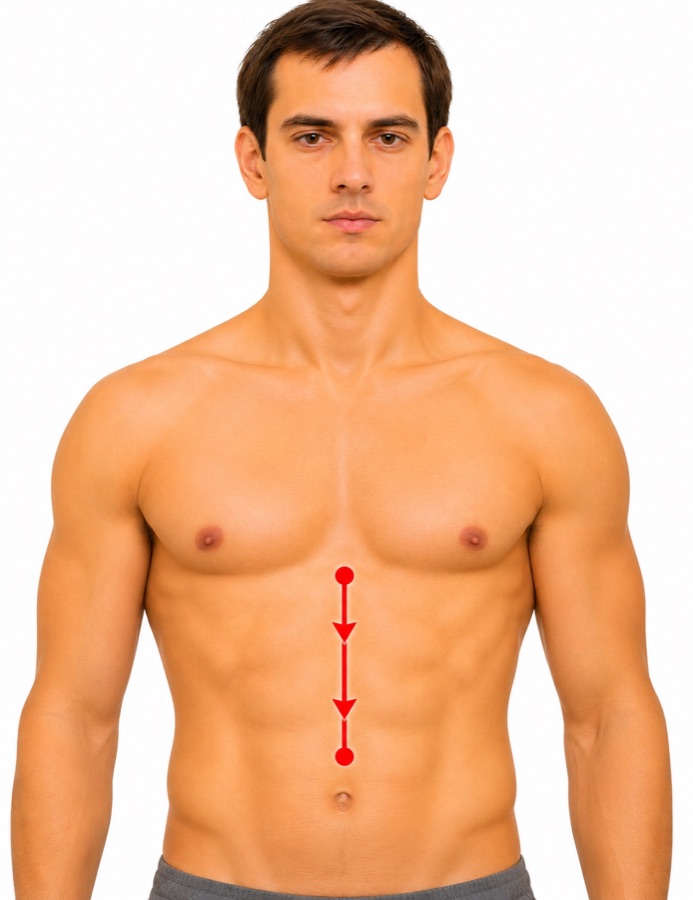
The “sleep elevator going down”
Gently tap downward along the center of your body, starting in the middle of your chest and continuing down to your belly button.
Use light pressure and stop any movement that causes pain or discomfort. These relaxation practices are not a substitute for medical evaluation of persistent sleep difficulties.